Wednesday, 27 March 2013

Health Benefits of Walnuts!

image

Walnuts are revered since ancient times as a symbol of intellectuality, since their kernels have convoluted surface inside the shell resembling as that of brain! The nuts are enriched with many health-benefiting nutrients, especially Ω-3 fatty acids that are essential for optimum health.

  • The nuts are rich source of energy and contain health benefiting nutrients, minerals, antioxidants and vitamins that are essential for optimum health.

  • They are rich in monounsaturated fatty acids (about 72%) like oleic acid and an excellent source of all important omega-3 essential fatty acids like linoleic acid, alpha-linolenic acid (ALA) and arachidonic acids. Regular intake of walnuts in the diet helps to lower total as well as LDL or “bad cholesterol” and increases HDL or “good cholesterol” levels in the blood. Research studies suggest that Mediterranean diet that is rich in mono-unsaturated fatty acids, and omega-3 fatty acids help to prevent coronary artery disease and strokes by favoring healthy blood lipid profile. 

Wednesday, 20 March 2013

Why Whole Milk is the Healthiest Choice?


I drink whole milk and eat full-fat yogurt, cream cheese, and sour cream. Sure, full-fat dairy products taste better than the skim/fat-free versions, but I don’t eat them for the taste. I eat full-fat dairy because it’s better for my health and my weight.

Yep, you heard me right: I eat dairy products with all the fat god gave ‘em, and I do it because it’s good for me.

Here’s why:

1. Our bodies cannot digest the protein or absorb the calcium from milk without the fat.

2. Vitamins A and D are also fat-soluble. So you can’t absorb them from milk when all the fat has been skimmed off. (This makes fortified skim milk the biggest sham of all — you can pump fat-free milk full of a year’s supply of vitamins A and D, but the body can’t access them).

3. Milk fat contains glycosphingolipids, types of fats linked to immune system health and cell metabolism.

20 SECRET INNER KEYS TO GOOD HEALTH AND LONGEVITY!

secrets_of_good_healthBy Robert Lewanski

1. EAT ONLY WHEN TRULY HUNGRY. Mouth waters, hunger in throat, tongue is pink & clear. Happy & relaxed. Food digest well—no bloating or fatigue after meals. Overeating is indulging in sensual mind appetite—causing body illness & spiritual insensitivity.


2. PROPER ACID/ALKALINE & YIN/YANG BALANCE. Eat more raw fruits & vegetables with some cooked foods in warm/hot weather. You can eat more cooked grains, soups, beans, casseroles in winter, & less raw foods to keep warm & good internal balance in cold weather.


3. EAT ONLY WHOLE NATURAL FOODS MOSTLY. Choose whole grains cooked: wheat, brown rice, millet, oats, corn, buckwheat, barley & rye. Eat fresh organic chemical-free vegetables & fruits, seeds & nuts. Avoid processed & preserved foods. Use Sea Vegetables—rich in minerals & very healthy for immunity & organs. 

Tuesday, 19 March 2013

Nutritional Benefits of Wheat Germ!

wheat_germBy Uttara Manohar

A storehouse of essential nutrients, wheat germ is one healthy addition you can make to your diet. Here is a quick read on the health benefits of eating wheat germ.

The general term 'germ' refers to the core embryo or the kernel of a wheat grain. It is a rich source of protein, fiber, unsaturated fat, vitamin E, omega-3 / 6 fatty acids, vitamin B1, B2, B6 phosphorus, zinc, thiamine, magnesium, folic acid, and pantothenic acid.

The Goodness of Wheat Germ
1- Wheat germ helps in reducing blood cholesterol levels hence reducing the risks of further cardiovascular problems.

2- It helps to improve the storage of energy in muscles and also enhances the endurance and overall stamina of the body. 

Monday, 18 March 2013

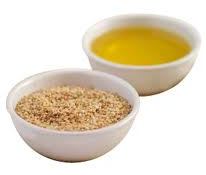
Is Sesame Oil Healthy?

Seasame Oil


Sesame oil has been used for centuries in Asian cuisine. It has also been commonly used for medicinal purposes, especially in Ayurvedic medicine. It has a subtle nutty flavor and is used both as a cooking oil and condiment. Sesame oil is made from toasted and untoasted sesame seeds, with the oil from toasted seeds possessing a stronger sesame flavor. Sesame oil also has many health benefits that make it a good alternative oil to use in moderation.

Good Fats


Sesame oil is high in monounsaturated and polyunsaturated fats. According to MayoClinic.com, eating foods rich in polyunsaturated fats helps cholesterol levels, lowers your risk of heart disease and reduces your risk for type 2 diabetes. Eating polyunsaturated fats has also been credited with reducing the risk for developing dementia. In a 2010 article in the “Journal of Alzheimer’s Disease,” researchers found that elderly people who consumed higher amounts of polyunsaturated and monounsaturated fats had a reduced likelihood of developing mild cognitive impairment, a precursor for dementia. 

Sunday, 17 March 2013

6 Amazing Benefits of Juicing Vegetables!

vegetable-juiceRediscover the benefits of juicing vegetables as an adult through a raw food diet. You can't have dessert until you eat your vegetables! Many of us often heard this ultimatum at dinnertime, while we were growing up. And for that reason many of us have developed a lifelong dislike for certain veggies, with leafy greens and spinach being some of the usual suspects. However, as an adult you can rediscover vegetables through a raw food diet and the benefits of juicing vegetables.

Why did we hate certain vegetables as kids? This could have been due to the preparation of the veggies. Perhaps they were canned, frozen, or overcooked. Yes, raw veggies can be an acquired taste after maintaining unhealthy diets for years. However, juicing vegetables produces a tasty and healthy drink.

Here are some of the biggest benefits:


1. Juicing optimizes the quantity of vegetables that you consume

It’s now recommended that we consume at least five full servings of vegetables every day, but  it's much more practical to juice than to eat two, three, or four pounds of veggies daily!